Michigan EBT: Reducing Social Stigma through Accessible UX
Michigan EBT: Reducing Social Stigma through Accessible UX
Redesigning Michigan’s EBT experience to turn a stigmatized government process into a dignified, accessible journey through research-driven UX writing.
Redesigning Michigan’s EBT experience to turn a stigmatized government process into a dignified, accessible journey through research-driven UX writing.
Redesigning Michigan’s EBT experience to turn a stigmatized government process into a dignified, accessible journey through research-driven UX writing.
About the project
Over 1.4 million Michigan residents rely on Supplemental Nutrition Assistance Program (SNAP) benefits. This project focuses on making the process of applying for and using those benefits more seamless, accessible, and user-friendly.
The Creatink Creative Agency Website project aimed to craft a distinctive digital presence for a design-forward agency. Our focus was on delivering an aesthetic that reflected the client’s dynamic and innovative approach to creative services. The result is a responsive, high-performing website with carefully orchestrated transitions and a bold, minimal design language.
Over 1.4 million Michigan residents rely on Supplemental Nutrition Assistance Program (SNAP) benefits. This project focuses on making the process of applying for and using those benefits more seamless, accessible, and user-friendly.
Duration:
4 Weeks
Client
State of Michigan
Project Details
Michigan’s food assistance program, also known as Supplemental Nutrition Assistance Program (SNAP), provides benefits to low-income families to help supplement their grocery budgets so they can afford nutritious food essential to their health and well-being. This project focused on ensuring that everyone who qualifies for SNAP has equitable access to the application process. In addition, we explored ways to redesign SNAP cards to feel more modern while improving their digital accessibility.
This work was completed through collaboration within a cross-functional team that included a project manager, UX designers, UX researchers, and UX writers. I primarily contributed as a researcher and copywriter, documenting project progress, synthesizing research findings, and communicating key insights and breakthroughs to keep the team aligned.
Michigan’s food assistance program, also known as Supplemental Nutrition Assistance Program (SNAP), provides benefits to low-income families to help supplement their grocery budgets so they can afford nutritious food essential to their health and well-being. This project focused on ensuring that everyone who qualifies for SNAP has equitable access to the application process. In addition, we explored ways to redesign SNAP cards to feel more modern while improving their digital accessibility.
This work was completed through collaboration within a cross-functional team that included a project manager, UX designers, UX researchers, and UX writers. I primarily contributed as a researcher and copywriter, documenting project progress, synthesizing research findings, and communicating key insights and breakthroughs to keep the team aligned.
The Problem
60% of users surveyed reported difficulty applying to SNAP benefits.
Additionally, users revealed concerns with the social stigma attached to using SNAP benefits stating: "I get a little embarrassed using the card, it’s super bright and stands out easy."
Solution Overview
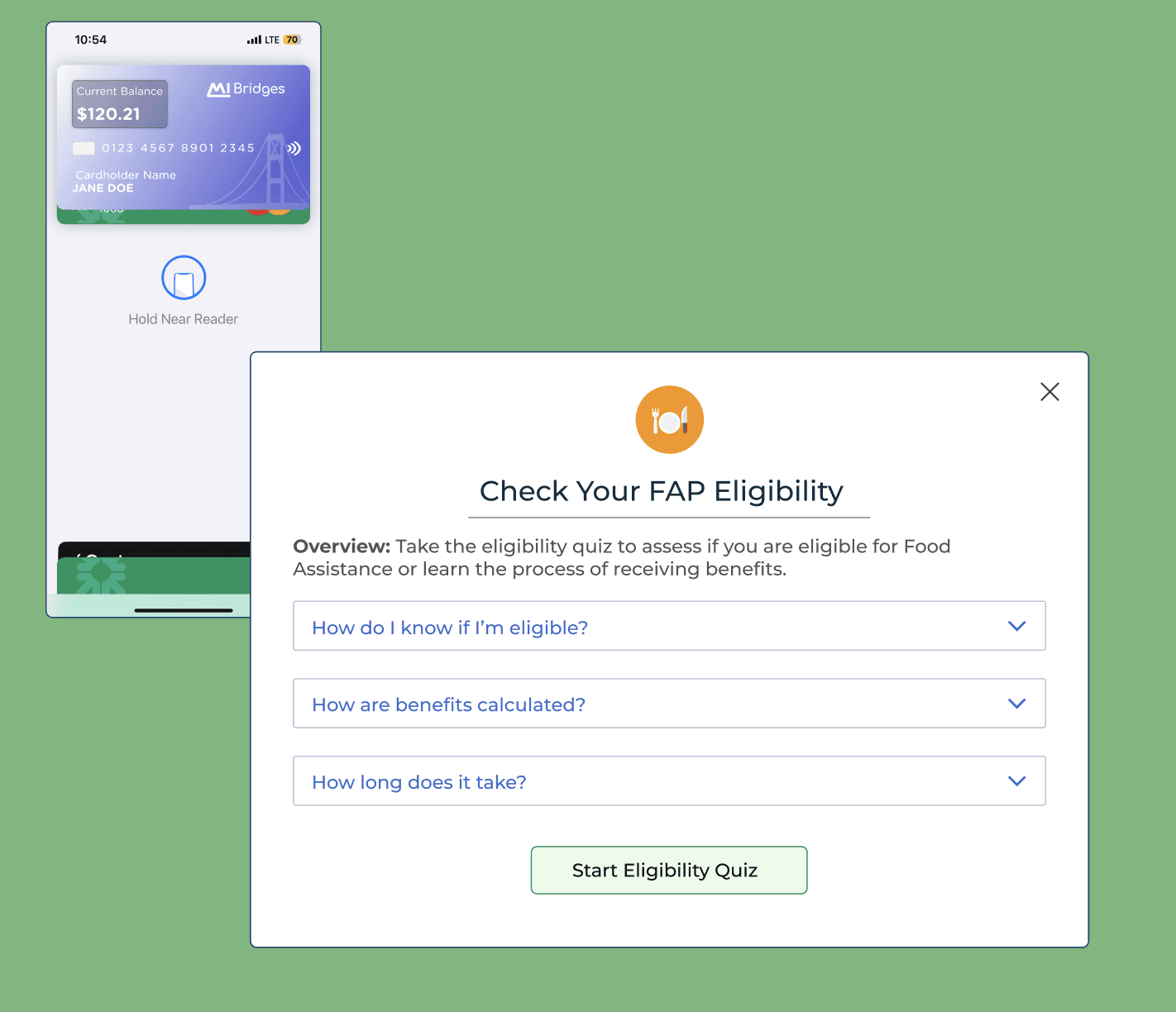
Seamless Eligibility Checking
Transforming a tedious, confusing process into a straightforward survey.
Quick eligibility quiz to help applicants determine their likelihood of qualifying before starting their full application.
Reducing frustration and saving applicants time by providing clarity on eligibility upfront, reduces frustration by managing expectations, and encourages qualified individuals to proceed confidently.
Seamless Eligibility Checking
Transforming a tedious, confusing process into a straightforward survey.
Quick eligibility quiz to help applicants determine their likelihood of qualifying before starting their full application.
Reducing frustration and saving applicants time by providing clarity on eligibility upfront, reduces frustration by managing expectations, and encourages qualified individuals to proceed confidently.
Card Redesign
Addressing outdated card design and social stigma through thoughtful product redesign
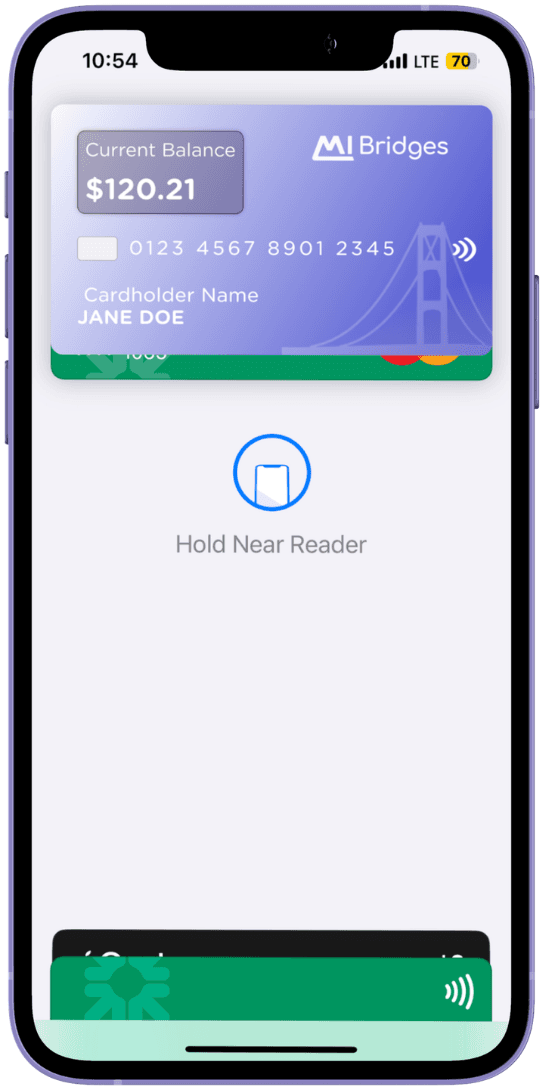
Option to Privacy: New cards resemble credit/debit cards, drawing less attention to users
Digital Wallet Accessible : Card can be updated to a virtual card, allowing for tap-to-pay and easier payment access
Full Transparency: Digital Card displays remaining balance left on EBT card, eliminating the need to call or login to MI Bridges.
Card Redesign
Addressing outdated card design and social stigma through thoughtful product redesign
Option to Privacy: New cards resemble credit/debit cards, drawing less attention to users
Digital Wallet Accessible : Card can be updated to a virtual card, allowing for tap-to-pay and easier payment access
Full Transparency: Digital Card displays remaining balance left on EBT card, eliminating the need to call or login to MI Bridges.
A Commitment to User Freedom
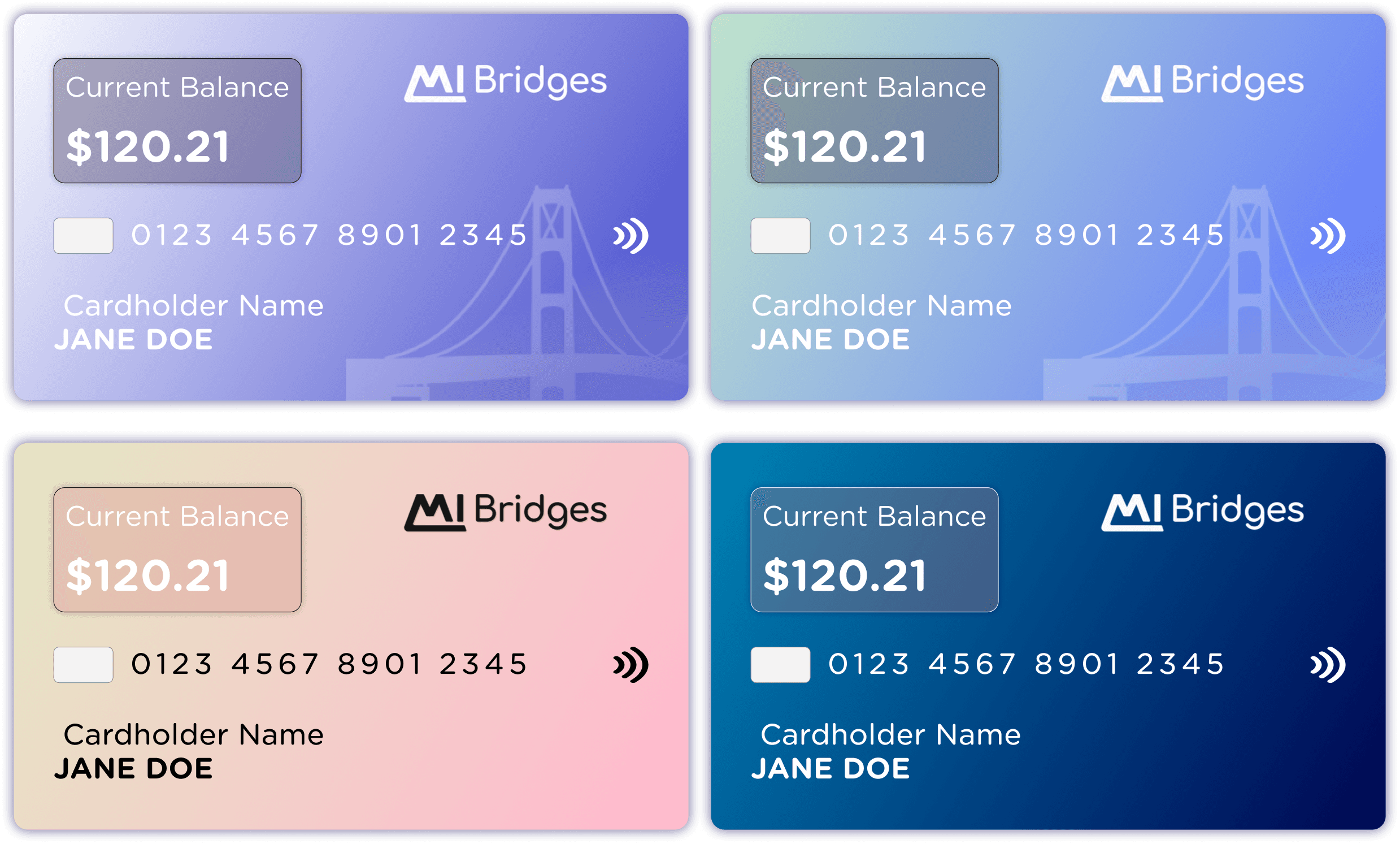
Customizable Cards: Like with credit cards, users can choose color and style of their personal EBT card.
Modern Payment Methods: The physical cards are chipped providing users with the ability to insert, tap, or slide their card depending on preference.
A Commitment to User Freedom
Customizable Cards: Like with credit cards, users can choose color and style of their personal EBT card.
Modern Payment Methods: The physical cards are chipped providing users with the ability to insert, tap, or slide their card depending on preference.
Discovery Research
The Quantitative Reality
Our research and user surveys revealed key common pains experienced by EBT users:
60% of respondents find the SNAP EBT application process highly challenging, giving it a rating of 4 or 5, 5 being most difficult.
70% of Michiganders have faced barriers to enrolling in SNAP due to societal stigma, including:
Concerns about publicly using the bright orange Bridge Card.
Fear of judgment or negative interactions with cashiers or caseworkers.
The Pain Points: Difficult application process and negative social stigma attached to using federal aid.
The Quantitative Reality
Our research and user surveys revealed key common pains experienced by EBT users:
60% of respondents find the SNAP EBT application process highly challenging, giving it a rating of 4 or 5, 5 being most difficult.
70% of Michiganders have faced barriers to enrolling in SNAP due to societal stigma, including:
Concerns about publicly using the bright orange Bridge Card.
Fear of judgment or negative interactions with cashiers or caseworkers.
The Pain Points: Difficult application process and negative social stigma attached to using federal aid.
Empathizing with Users
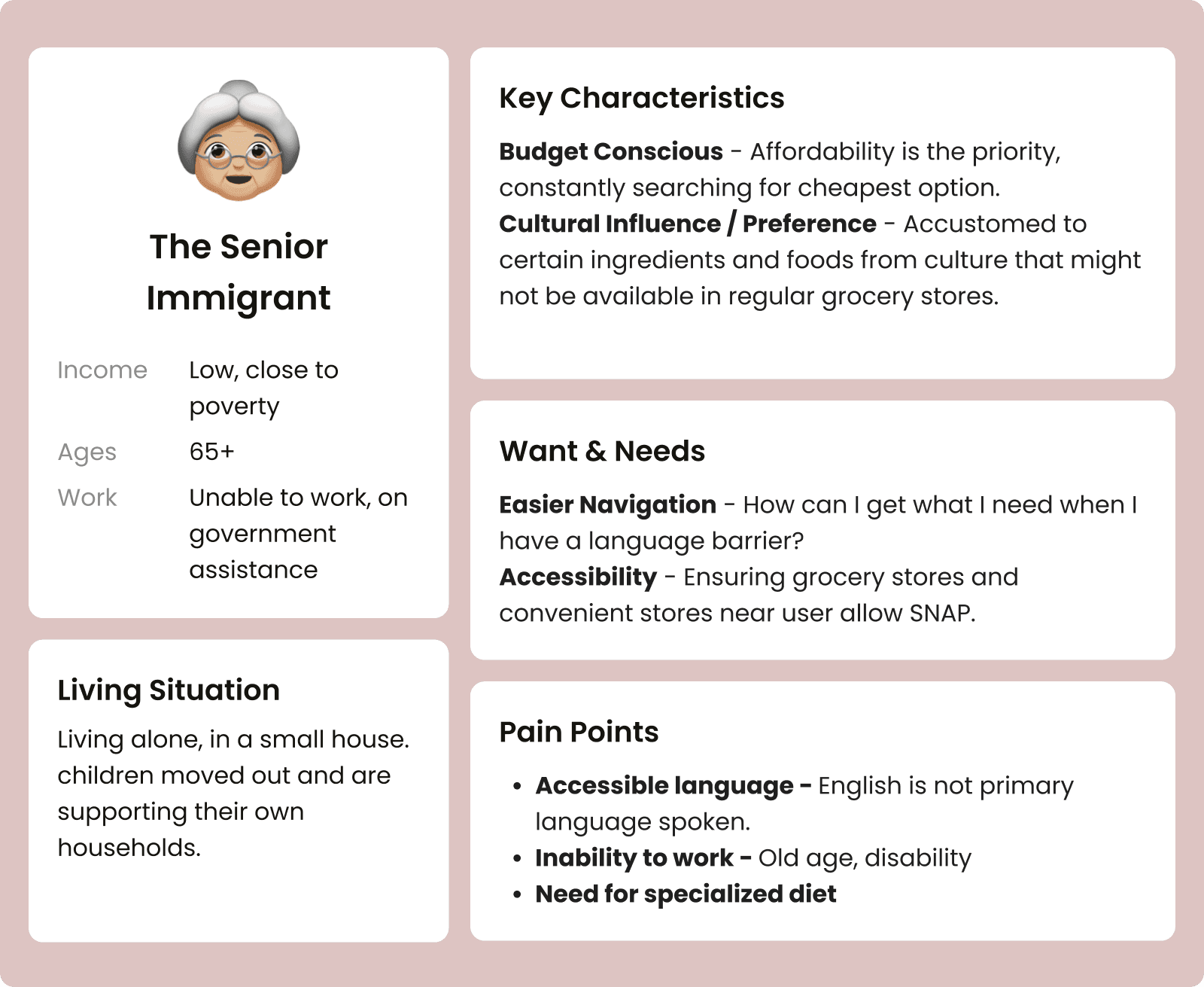
User Personas allow for a deeper insight into the perspectives of users, providing a better understanding of context, nuance, motivation, and struggles.
Empathizing with Users
User Personas allow for a deeper insight into the perspectives of users, providing a better understanding of context, nuance, motivation, and struggles.
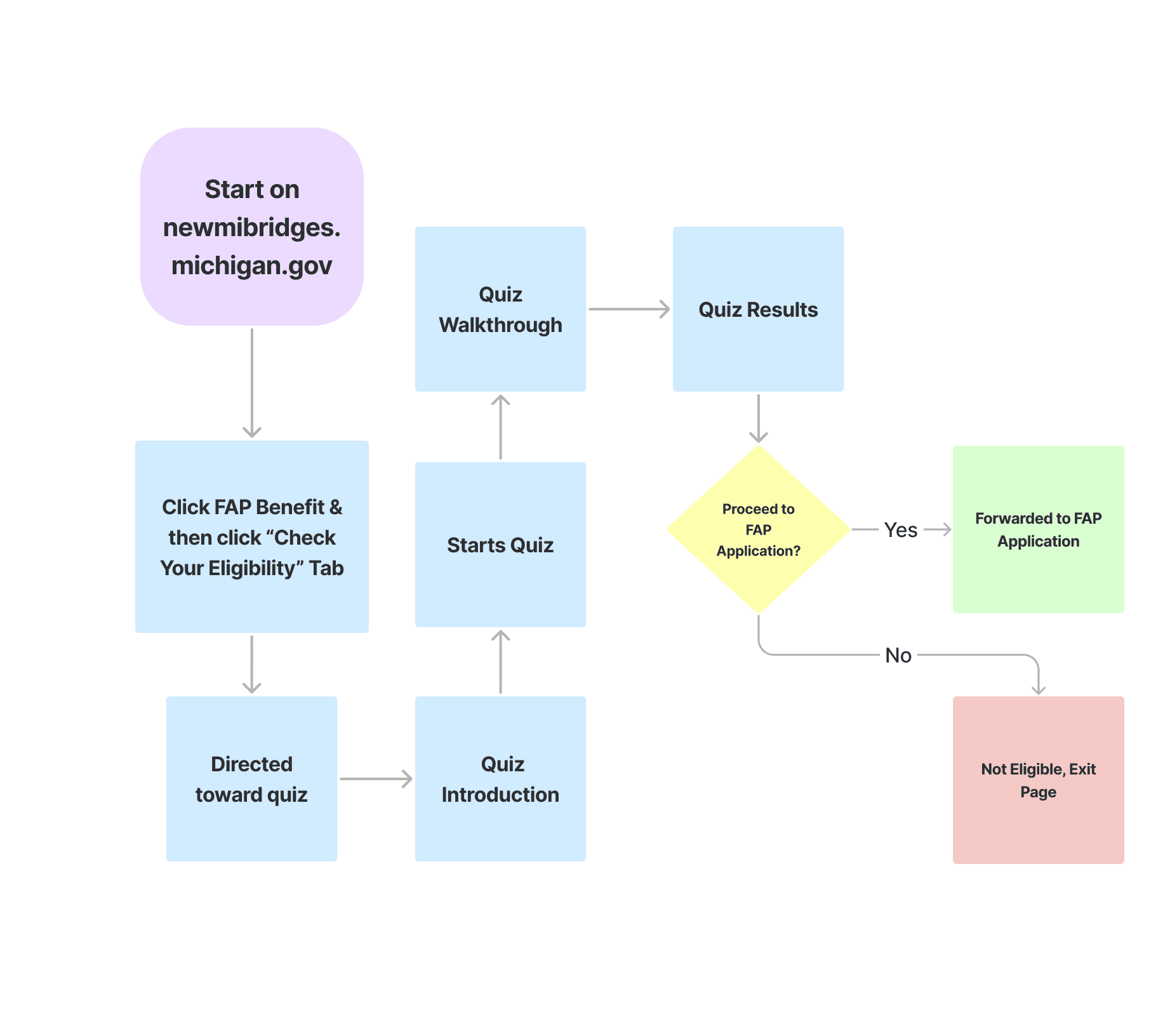
Mapping User Flow: Defining the entry point, the steps taken, and the final action, helping to visualize the journey from start to finish. This excercize informs the eligibility quiz design, establishing steps to completion.
Impact
Streamlined Service
Minimizing cognitive load: It can take 30 minutes to an hour finding applying to SNAP benefits, our eligibility survey knocks out the process in 5-10 minutes.
Eliminating wait time: EBT cards take about 5-10 days to deliver. Through incorporating virtual cards, EBT access becomes immediately available upon approval.
Balance Transparency: Instead of needing to login to MI Bridges or call, users can immediately view their balance on their virtual cards.
Streamlined Service
Minimizing cognitive load: It can take 30 minutes to an hour finding applying to SNAP benefits, our eligibility survey knocks out the process in 5-10 minutes.
Eliminating wait time: EBT cards take about 5-10 days to deliver. Through incorporating virtual cards, EBT access becomes immediately available upon approval.
Balance Transparency: Instead of needing to login to MI Bridges or call, users can immediately view their balance on their virtual cards.
De-Stigmatization of EBT Cards
De-Stigmatization of EBT Cards
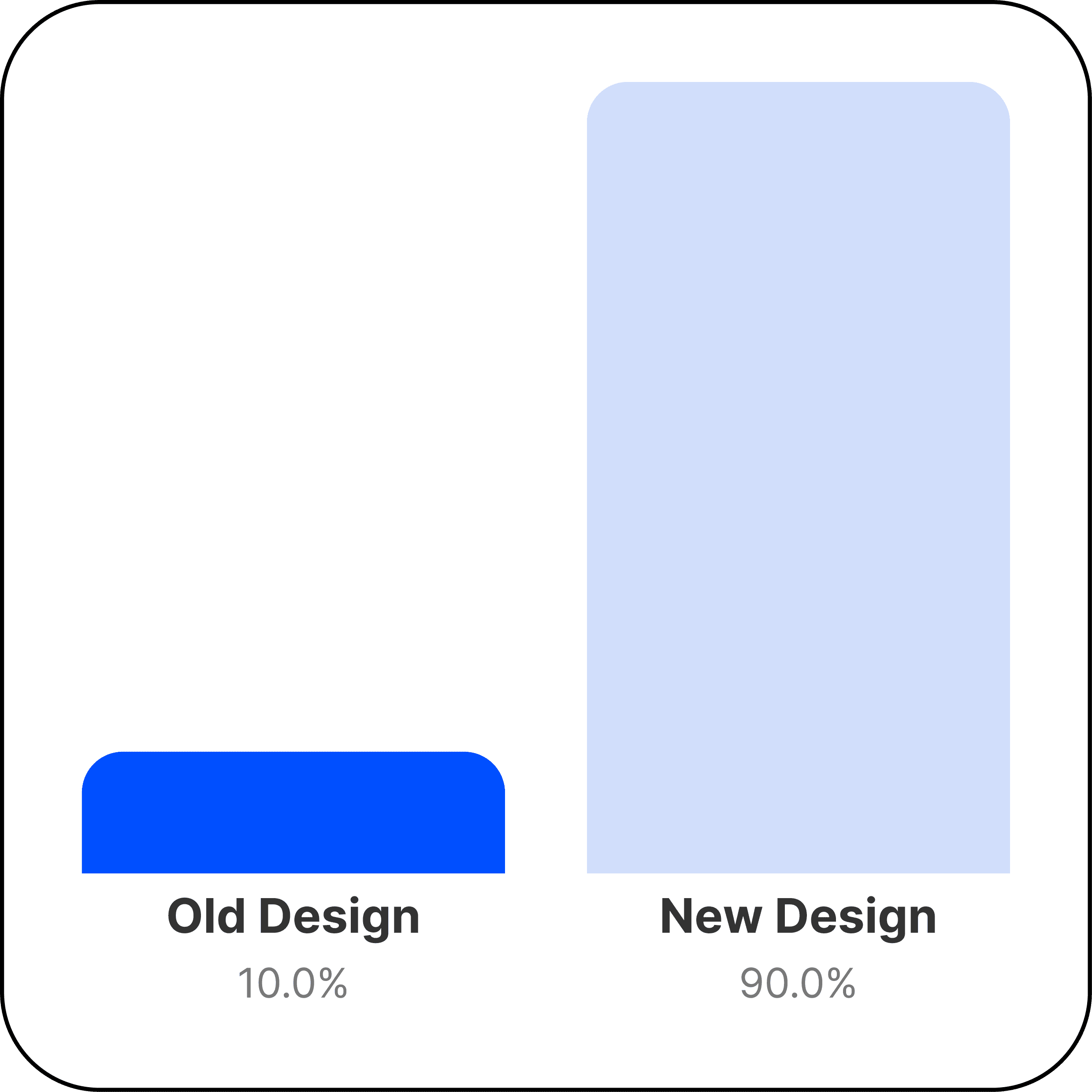
We measured the emotional shift after providing customizable EBT cards.
Confidence Boost: After conducting A/B testing comparing the new cards to the old, we found that 90% of users preferred the new design.
Modernizing the EBT experience with a brighter, sleeker, functional design normalizes its usage, making it feel more like an everyday credit or debit card.
“From day one, Meelo was incredibly organized and intuitive. She helped us translate a pretty complex product into a website that feels light, fast, and incredibly user-friendly.”
Anonymous
Student at Michigan State University